Low MOQ Guides
Ready-Stock Activewear with Your Logo vs Fully Custom: A Guide for Small Brands
Compare ready-stock activewear with custom logos and fully custom production. Understand MOQ, design flexibility, samples and what to send for a practical quote.
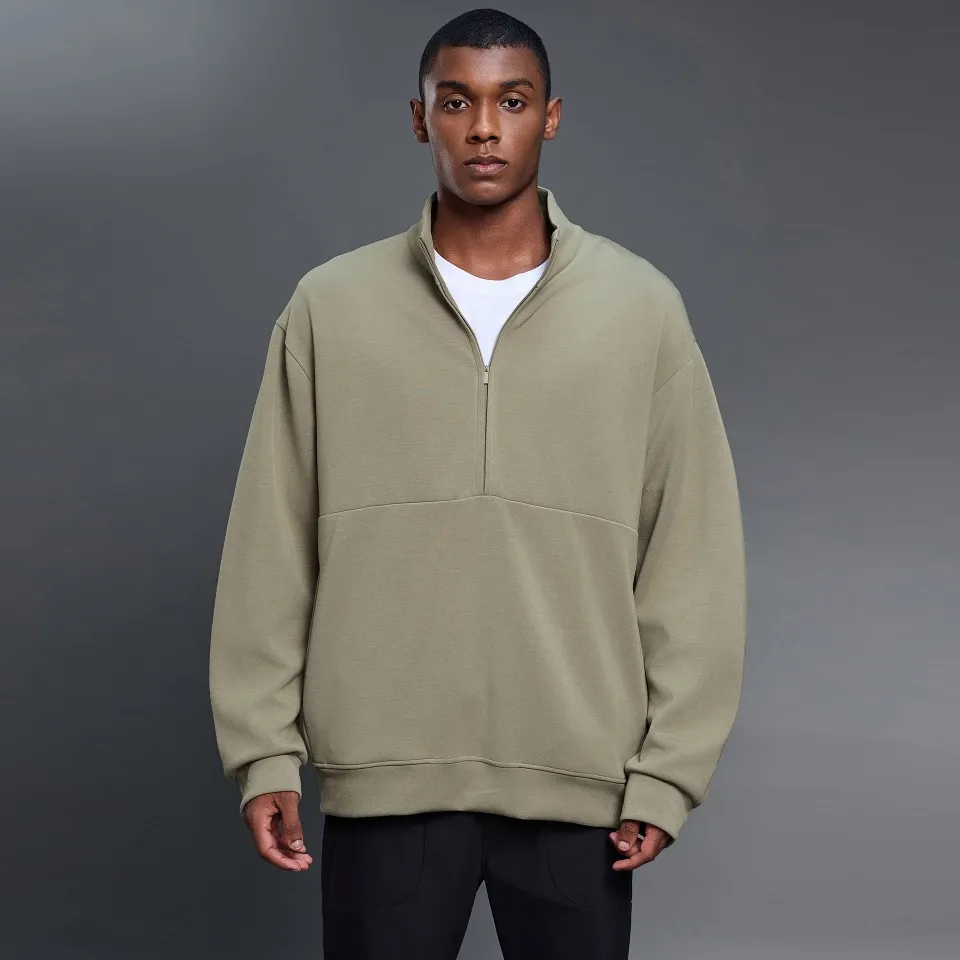
Launching an activewear brand does not always require developing every garment from scratch. The right first step depends on what you need to test: demand for your brand, the feel of a fabric, or a distinctive fit and construction.
At Duorui Apparel, selected ready-stock garments with custom logos and fully custom development serve different needs. Here is how to decide which route to discuss before ordering samples.
1. Start with the changes you actually need
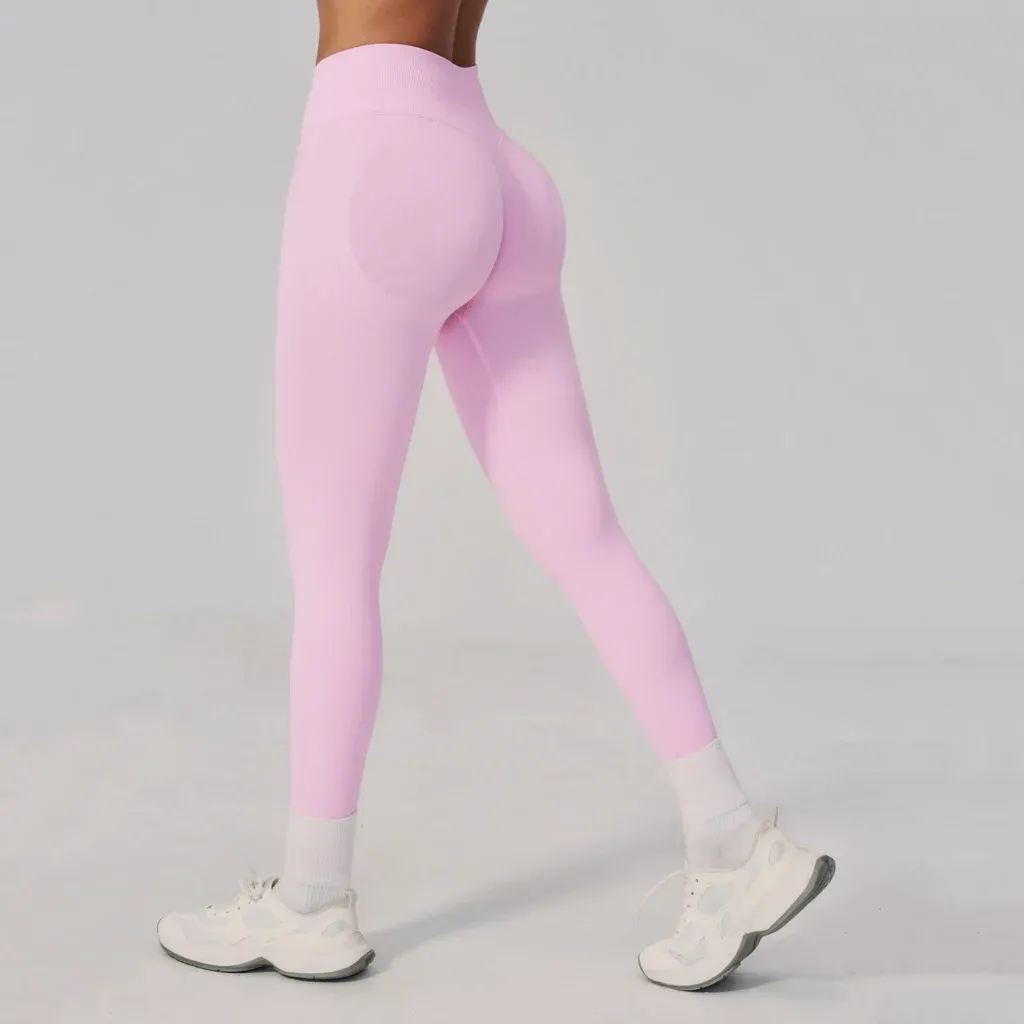
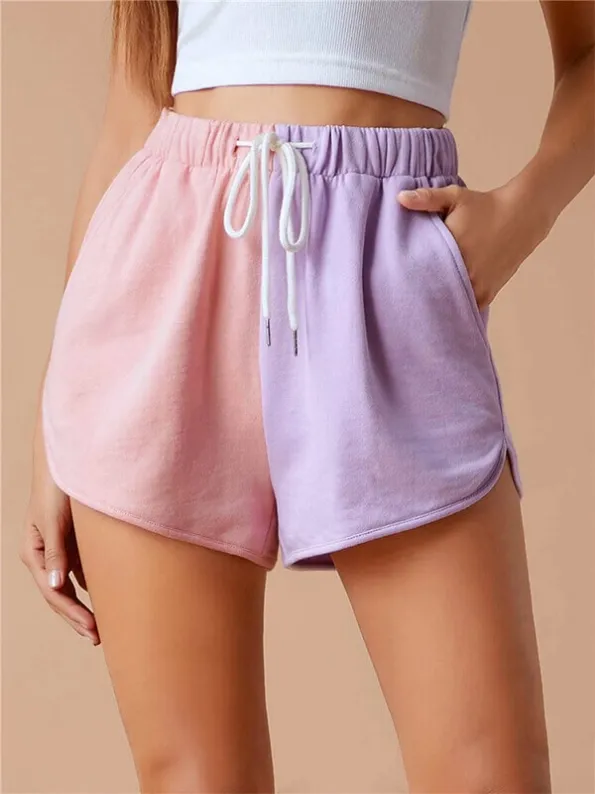
Ready-stock garments already have a defined cut, fabric, size range and available colors. Adding your logo can help you test an initial assortment while working within those existing choices. It does not turn the garment into an exclusive design.
Fully custom development is more suitable when your brief requires different measurements, a specific waistband, revised coverage, new pocket construction or a fabric that is not available in the stock style. These changes need a feasibility review and sample approval.
A simple distinction helps: if you like the garment as it is and mainly need branding, ask about stock. If the garment must change to meet your customer's needs, send a custom development brief.
2. Compare the minimum quantities correctly
For selected Duorui ready-stock styles, logo customization starts from 20 pieces per style and color, subject to available sizes, stock and the logo application. Unbranded stock samples can be ordered from one piece to assess the garment first.
Fully custom activewear generally starts at 100–150 pieces per style and color, with mixed sizes within the confirmed minimum. Fabric, dyeing, trims or construction can require a higher quantity. Confirm the requirement for each style before planning the collection.
For example, a 120-piece custom order for one style in one color may meet a confirmed 120-piece minimum. Splitting the same total across three colors would be only 40 pieces per color and needs a separate feasibility check. A top and matching bottom are also separate styles unless the quotation specifically states otherwise.
3. Choose a sample that answers your question
An unbranded stock sample is useful for assessing fabric feel, stitching and the existing fit. A sample with your logo helps you assess placement, dimensions, appearance and the application on that fabric.
A custom prototype should be checked against your agreed design brief and measurements. Record any substitute fabric, color or trim so it is clear what still needs approval. Do not assume a stock sample confirms a revised custom pattern.
Before approving either route, use our activewear sample approval checklist to review fit, movement, seams and branding.
4. Compare the complete quote
Ask for the garment price and branding charges separately. Logo setup or mold costs, application labor, labels, packaging and delivery can affect the total. A small logo order may have a higher branding cost per garment because setup is spread over fewer pieces.
For stock, ask which sizes and colors are available and when availability will be reconfirmed. For custom, ask what development is included and how revisions affect cost and timing. Lead times should be confirmed after the selected style, branding and materials have been reviewed.
Avoid comparing an unbranded stock garment price with a fully customized quotation as though they cover the same work.
5. Plan a manageable first assortment
A focused selection makes sample evaluation and customer feedback easier to organize. Start with the pieces your intended customers will use together, such as a sports bra and leggings or a training top and shorts. Then confirm the quantities needed for each style and color.
If consistent reorders are essential, ask whether the stock style is expected to remain available. Stock quantities and colors can change. A later custom order may help you refine fit or branding, but the fabric and color should be reviewed again rather than assumed to match an earlier stock purchase exactly.
Explore our activewear product references and low MOQ manufacturing options to prepare a shortlist. Product photos are design references; current stock availability must be checked with our team.
Send a brief and compare both options
Not sure which route suits your first collection? Contact Anna at Duorui Apparel with your selected style numbers or reference images, preferred colors and sizes, quantity per style and color, logo artwork and placement, and delivery country or postcode.
Tell us which details must stay exactly as shown and which can be flexible. We can then check stock availability or review custom development and confirm the relevant MOQ, sample costs and next steps.
For a collection that needs its own fit or construction, learn more about our private label yoga and gym wear development.