Oct 29, 2026Low MOQ Guides
Activewear Sample Approval Checklist for Private Label Brands
Review fit, fabric, seams, colors and logos before approving private label activewear samples. Use a practical checklist to organize feedback and plan bulk production.
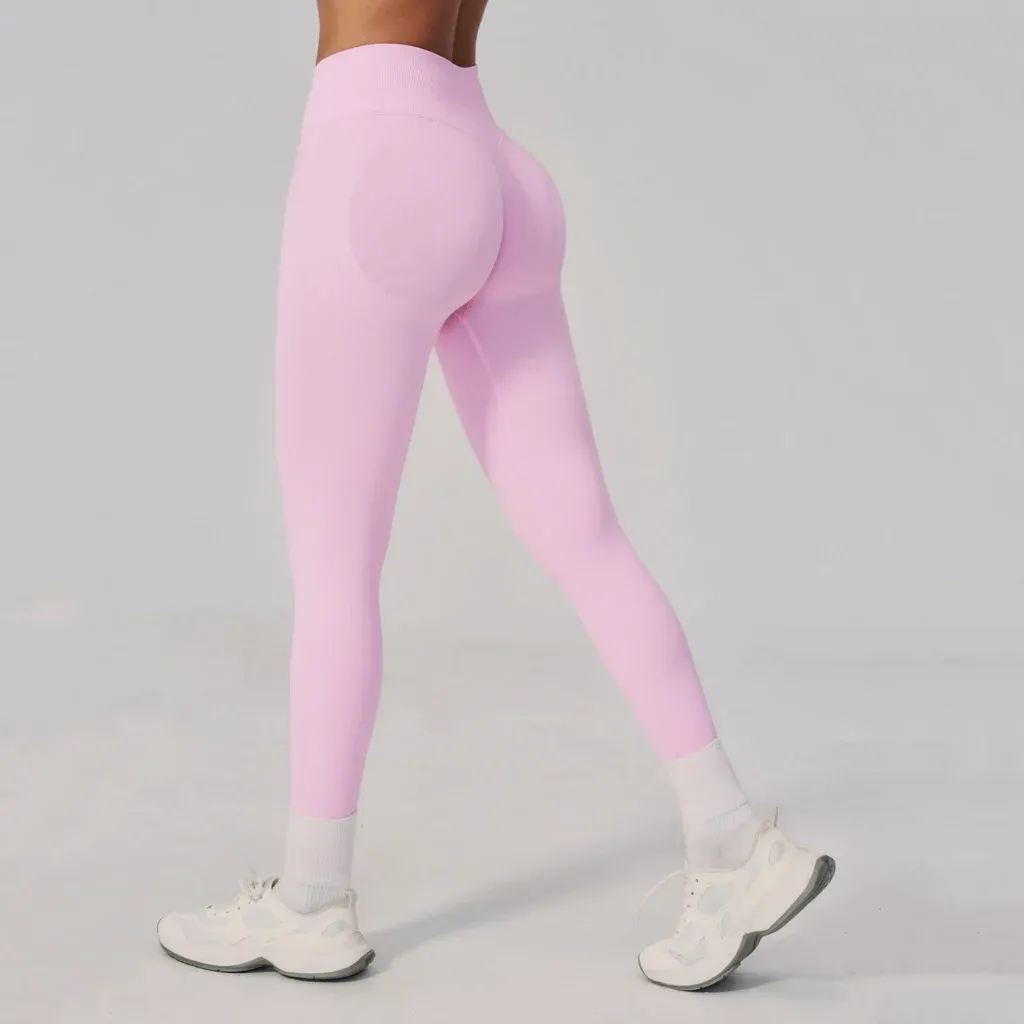
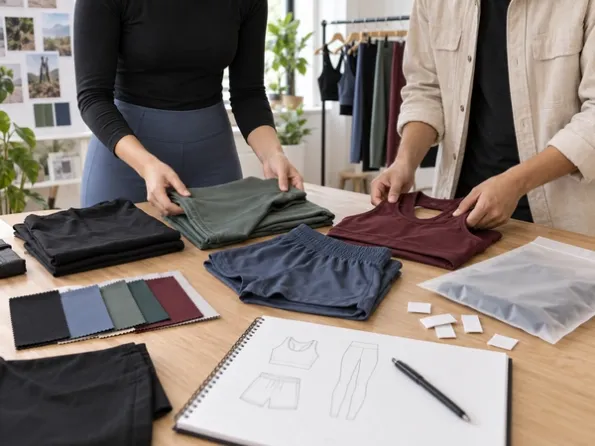
Your first activewear sample should answer a practical question: is this garment ready to represent your brand? A soft fabric and an attractive photo are useful starting points, but approval also needs checks for fit, movement, construction and branding.
Use this checklist to review private label yoga and gym wear and send feedback that a sample team can act on.
1. Confirm what the sample represents
Record the style reference, sample size, fabric composition and weight, color and version date. Ask which details are final and which are substitutes. A stock sample can help you assess workmanship and fabric feel without representing your final custom measurements or branding.
Keep one review sheet per style. For a bra and leggings set, review each piece separately so a good fit on the top does not hide an issue with the bottoms.
2. Review fit on your intended customer
Measure the garment using agreed measurement points and compare it with your size chart. Photograph the front, side and back on a fit model whose measurements you have recorded. Note the location of pulling, gaping or excess fabric.
Leggings: check waistband position, rise, inseam, crotch comfort and waistband movement during bending and squatting.
Sports bras: check underband comfort, neckline coverage, strap length, armholes and padding placement. Assess support for the intended activity rather than assuming it from appearance.
Tops and jackets: check shoulder position, sleeve length, arm movement and comfort with the zipper closed.
One approved size does not confirm every size. Agree whether a size set or additional fit samples are needed before bulk production.
3. Test the fabric in the actual garment
Compare hand feel, stretch and recovery with your selected fabric reference. Check coverage in the intended color and size under consistent lighting, including during movement. Fabric weight alone does not establish compression or opacity: construction, stretch, color and fit also matter.
Compare matching pieces together in daylight. Different fabric constructions can show the same color differently. If specific performance or recycled-content claims are essential, agree on the documentation or testing required before using those claims.
4. Inspect seams and functional details
Turn the garment inside out. Look for skipped stitches, loose thread ends, uneven seams and uncomfortable seam bulk. Gently stretch seams as they would stretch in wear and note any opening or broken stitches.
Test pockets with the intended object, check zipper operation and assess padding access where relevant. For tennis styles, confirm inner-short length and functional details against the brief.
5. Approve the logo on the actual fabric
Confirm artwork, spelling, color, application method, dimensions and placement. Give logo measurements in centimeters and specify the reference point used for placement. Photograph the position beside a ruler.
Review the application on the actual garment fabric. Heat transfer, silicone and embroidery can behave differently as fabric stretches. Agree on suitable wash and wear checks and review lifting, cracking or puckering after testing. A digital mockup confirms visual direction; it does not confirm durability.
6. Send one clear revision list
Combine comments in one dated document with marked photos. Replace vague comments with a specific issue or measurement. For example: The waistband folds during a squat; please review the waistband construction and propose a revision.
Label each point approved, revise or needs confirmation. Ask whether a revised physical sample is needed and confirm any additional cost and timing before development continues.
7. Confirm bulk details separately
Before a bulk order, confirm the approved sample version, measurement tolerances, fabric and colors, quantity by style and color, size split, labels, packaging, inspection requirements and delivery terms.
Duorui custom activewear production starts from 100 pieces per style and color for selected styles. Some styles or fabrics require 150 pieces or a higher quantity. Mixed sizes can be discussed within the confirmed minimum. Final MOQ, pricing and timing depend on the style, materials and customization.
Explore styles and plan your sample review
Compare our wide-strap longline sports bra and adjustable X-back sports bra as starting references. Confirm your preferred fabric, fit and branding rather than treating photos as a final specification.
Ready to discuss samples? Send Anna your selected styles or reference images, sample size, fabric preference, logo artwork, estimated quantity per style and color, and delivery country. We can review your brief and confirm the next sampling step.