Sep 21, 2026Buying Guides
How to Start a Custom Activewear Line: From Sample to Bulk Production
Learn the key steps in custom activewear manufacturing, from product planning and fabric selection to sampling, branding, quality control and 150-piece-MOQ bulk production.
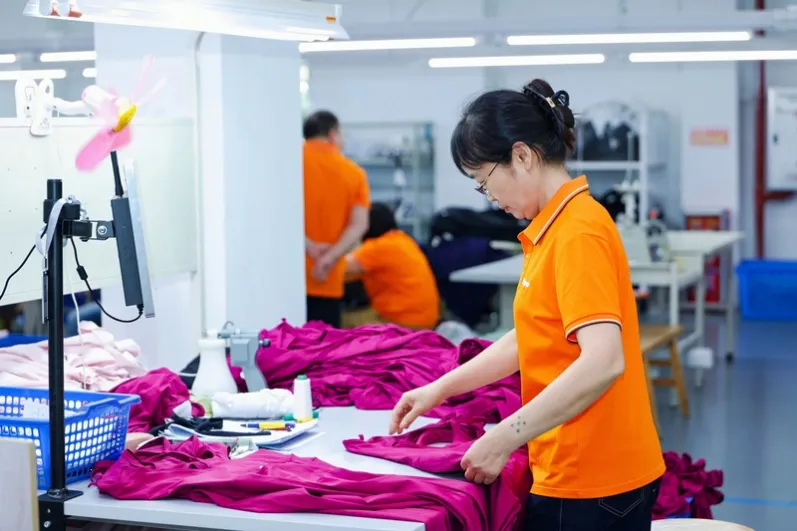
Starting a custom activewear line involves more than choosing a few attractive designs. A successful collection needs clear product positioning, suitable fabrics, accurate samples, consistent branding and a reliable plan for bulk production.
This guide explains the main steps brands should prepare before working with a custom activewear manufacturer.
1. Define Your Product and Target Customer
Before requesting a quotation, decide who the collection is designed for and how the products will be used.
Important questions include:
- Is the collection intended for yoga, gym training, running, tennis or everyday athleisure?
- Which countries and customer groups will you sell to?
- What level of support, compression or coverage is required?
- What retail price and quality level are you targeting?
- Which sizes and colors should be included in the first launch?
Clear positioning helps the manufacturer recommend appropriate fabrics, construction methods and product specifications.
2. Prepare a Tech Pack or Reference Material
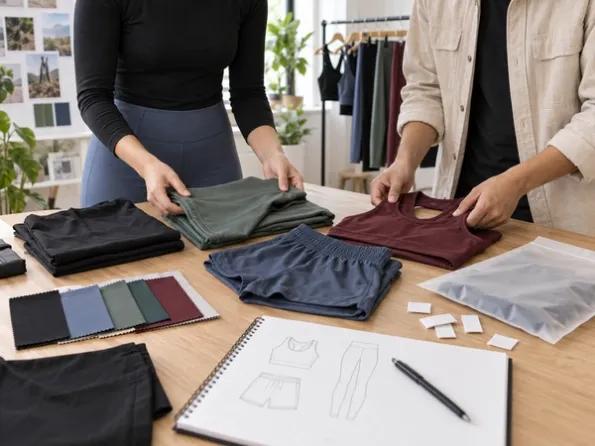
A detailed tech pack is the best starting point for custom development. It normally includes measurements, construction details, fabric requirements, colors, artwork and labeling instructions.
If a complete tech pack is not available, brands can begin with:
- Reference product images
- Design sketches
- Logo files
- Preferred fabric composition
- Color references
- Size requirements
- Estimated order quantity
- Target launch date
The more specific the information is, the easier it is to evaluate feasibility and prepare an accurate quotation.
3. Choose Fabrics Based on Product Use
Fabric selection affects comfort, appearance, support and performance.
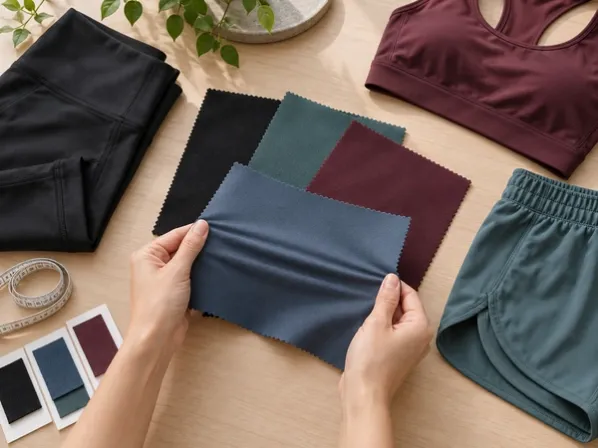
For leggings and fitted shorts, brands often consider stretch recovery, opacity, moisture management and hand feel. Sports bras may require different levels of support, lining and removable padding. Joggers, hoodies and lifestyle pieces may use cotton blends, fleece or stretch-woven fabrics.
When comparing fabrics, consider:
- Composition and weight
- Four-way stretch and recovery
- Moisture-wicking performance
- Breathability
- Pilling resistance
- Colorfastness
- Recycled or preferred material options
- Suitability for printing or logo applications
A fabric should be selected for the intended product rather than appearance alone.
4. Confirm Customization and Branding
Private-label activewear can include more than a printed logo. Before sampling, confirm which brand elements are required.
Common customization options include:
- Heat-transfer or silicone logos
- Embroidery
- Printed graphics
- Woven or printed labels
- Size and care labels
- Hangtags
- Custom polybags
- Barcode and carton-mark requirements
Logo size, color, placement and application method should be confirmed on the sample before bulk production.
5. Develop and Review the Sample
Sampling allows the brand and manufacturer to verify the product before placing a bulk order.
During sample review, check:
- Overall fit and proportions
- Garment measurements
- Fabric hand feel and stretch
- Stitching and seam construction
- Support and coverage
- Logo placement
- Color accuracy
- Labels and trims
- Performance during movement
Feedback should be specific. Instead of saying that the fit “does not feel right,” identify the exact area that needs adjustment and provide the required measurement or visual reference.
6. Confirm the Bulk Order Details
After the sample is approved, confirm every production detail in writing.
The final order specification should include:
- Approved style and sample
- Size breakdown
- Color quantities
- Fabric and trim details
- Logo applications
- Labels and packaging
- Inspection requirements
- Shipping method
- Delivery information
Duorui supports custom development from sampling to bulk production, with MOQ options starting from 150 pieces per style and color. Final requirements should always be confirmed according to the design, fabric and customization involved.
7. Use Quality Control Before Shipment
Quality control should compare bulk products with the approved sample and specifications.
Typical checks include:
- Workmanship and stitching
- Measurements and size consistency
- Fabric and color consistency
- Logo position and appearance
- Labels and packaging
- Visible defects
- Final quantity
Resolving these standards before production helps reduce misunderstandings and improves consistency across the order.
Start Your Custom Activewear Project
A well-prepared product brief makes sampling and production more efficient. Send your tech pack, reference images, estimated quantity, target market and customization requirements to receive practical recommendations for the next step.
Explore our custom activewear products or contact Duorui to discuss sampling, private labeling and bulk production.
EXPLORE STARTER ACTIVEWEAR STYLES
Planning a focused activewear launch? Compare customizable styles for a small private-label collection, including fabrics, Pantone colors, logos, labels and packaging. MOQ starts from 150 pieces per style and color.