Sep 14, 2026Buying Guides
Private Label Activewear Without a Tech Pack: A Practical Guide for Small Brands
Learn how small brands can develop private label activewear without a complete tech pack, from reference samples and fabrics to fit approval and bulk production.
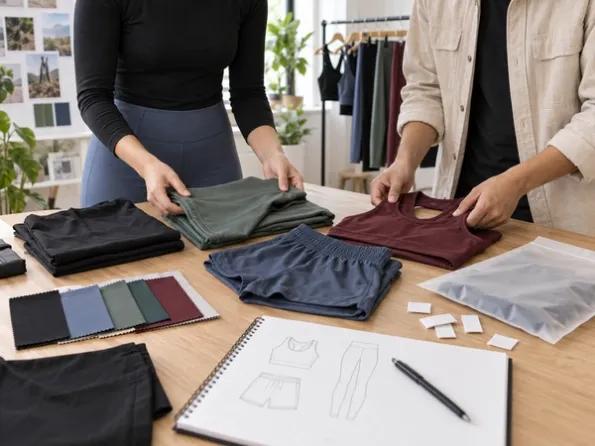
Many small activewear brands have a clear product idea but no complete technical package. They may have a reference photo, a favorite garment, a rough sketch, or notes about the fit they want. The good news is that a professional manufacturer can often help turn those materials into a workable sample. The important point is to understand what can replace a tech pack, what decisions the brand still needs to make, and where extra development time may be required.
- Can You Manufacture Activewear Without a Tech Pack?
Yes, in many cases. A full tech pack is the most efficient way to communicate measurements, construction, materials, colors, trims, branding, and packaging. However, it is not the only possible starting point. For a relatively straightforward sports bra, legging, gym top, tennis dress, short, hoodie, or matching set, development can begin from a reference sample, clear product photos, an annotated sketch, or a combination of these.
The manufacturer then translates the idea into production information. This may include an initial measurement chart, fabric recommendation, construction notes, logo placement, trim specifications, and sample comments. The process requires closer communication than working from a finished tech pack, but it can be practical for emerging brands that are developing their first collection.
- What Can Replace a Complete Tech Pack?
The strongest alternative is a physical reference garment. It allows the pattern maker to examine proportions, stretch, seam construction, finishing, and fit. The goal should not be to copy another brand's protected design or logo. Instead, the reference should clarify the general silhouette, comfort level, construction method, or fit direction you want.
High-quality reference photos can also work, especially when they show the front, back, side, internal construction, and important details. Add simple notes directly to the images. For example: higher waistband, hidden back pocket, removable cups, longer body length, or bonded hem. Even a basic hand sketch becomes useful when it is paired with clear written instructions.
You should also provide at least one base size and the wearer's body measurements or the measurements of a well-fitting reference garment. Without this information, words such as tight, relaxed, high-rise, or cropped can mean different things to different people.
Information Your Manufacturer Still Needs
A manufacturer can help organize the technical details, but cannot make every commercial decision for the brand. Before sampling, prepare the following:
• Product category and intended activity: yoga, gym training, running, tennis, everyday athleisure, or another use.
• Target customer: market, gender, age range, preferred fit, and expected retail price level.
• Reference materials: sample garments, photos, sketches, measurements, and detail notes.
• Fabric priorities: softness, compression, breathability, weight, coverage, recycled content, or moisture management.
• Branding: logo file, placement, approximate size, labels, hangtags, and packaging requirements.
• Order plan: styles, colors, size range, estimated quantity, and target launch date.
If you are unsure about fabric, review our guide to choosing custom activewear fabric. A clear description of the wearing scenario is often more useful than requesting a fabric only by composition.
A Practical Development Process
- Define the product brief
Start with one concise brief for each style. State what the item is, who will wear it, how it should fit, which features matter most, and what must be different from the reference. Avoid sending a large mood board with contradictory ideas. One clear direction saves more time than twenty inspirational images.
- Confirm fabric and components
Fabric affects fit, opacity, recovery, compression, and cost. The same pattern can behave very differently in a soft brushed nylon-spandex fabric and a firm high-compression fabric. Confirm the main fabric, lining, elastic, cups, zippers, drawcords, and other components before judging the sample.
- Create the first pattern and sample
The pattern maker converts the brief and references into a first pattern. At this stage, the sample is a development tool, not a perfect final product. Check overall proportions, comfort, movement, support, seam placement, and construction before focusing on tiny cosmetic details.
- Give measurable sample comments
Comments such as make it better or slightly looser are difficult to action. Use photos and measurements: reduce the front rise by 1 cm, add 2 cm to the body length, move the pocket opening 1.5 cm, or increase the underbust elastic tension. Consolidate feedback into one document so the sample room is not working from several conflicting message threads.
- Approve the pre-production details
Before bulk production, approve the fit sample, final fabric and color, logo method, labels, packaging, size breakdown, and measurement tolerances. This approval stage becomes the working production specification, even if the project did not begin with a formal tech pack.
How Does Starting Without a Tech Pack Affect Cost and Lead Time?
Starting without a tech pack does not automatically make a project expensive, but it usually adds development work. The factory may need to create measurements, interpret construction, source several fabric options, and make additional sample revisions. Complex compression garments, bonded construction, molded cups, engineered support, or highly original silhouettes may still require professional technical design before sampling.
The best way to control development cost is to launch a focused first collection. Choose a small number of commercially important styles, limit initial colors, and refine the products properly. Our low MOQ activewear manufacturing program starts from 100 pieces per style and color, helping growing brands test a more focused range before committing to larger inventory.
Common Mistakes Small Brands Should Avoid
• Using low-resolution screenshots that hide construction details.
• Changing the design direction after pattern work has started.
• Choosing fabric only by appearance and ignoring stretch or recovery.
• Skipping wear testing and approving a sample only from flat photos.
• Requesting an unrealistic combination of low price, complex details, premium materials, and immediate delivery.
• Starting too many styles before the first product and customer have been validated.
A good manufacturer should explain trade-offs, but the brand must still prioritize. Product development becomes faster when everyone knows which requirements are essential and which are flexible.
When Should You Hire a Technical Designer?
Manufacturer-assisted development is suitable for many standard and moderately customized activewear styles. A technical designer becomes especially valuable when the product involves original support engineering, unusual pattern geometry, complex grading, multiple specialized materials, performance testing requirements, or intellectual property that must be documented precisely.
If your product idea is highly innovative, investing in professional technical development before contacting factories can reduce ambiguity and protect the concept. For a simpler private-label collection, a clear product brief plus an experienced sample room may be enough to begin.
Start With a Clear Idea, Not Perfect Documents
You do not need to delay your activewear brand until every document looks perfect. You do need a clear customer, a realistic product direction, useful references, and the willingness to test and revise samples carefully. The purpose of development is to turn assumptions into a product that can be measured, worn, improved, and produced consistently.
Duorui supports private-label yoga wear, gym wear, tennis apparel, and athleisure development from fabric and fit through logos, labels, packaging, sampling, and bulk production. Explore our custom activewear products, or send us a product photo or idea. We can suggest a practical fabric, MOQ, and development route for your project.
Frequently Asked Questions
Can you copy a garment from a photo?
Photos can communicate design direction, but they do not reveal exact measurements, fabric behavior, or internal construction. Multiple views, written changes, and a physical reference sample produce a more reliable result. Brands should also avoid copying protected logos or distinctive proprietary designs.
Can I start with only a sketch?
A sketch can be a starting point if it includes detail notes, intended fit, base-size measurements, fabric expectations, and construction references. More original or technical designs may require additional pattern development.
What is Duorui's minimum order quantity?
Our custom production MOQ starts from 100 pieces per style and color. Size quantities can be allocated within the confirmed order according to the project's size breakdown and production requirements.
Do I need to approve a sample before production?
Yes. Bulk production should begin only after the fit, fabric, color, branding, measurements, and key construction details have been confirmed. Sample approval gives both the brand and manufacturer a clear production standard.