Oct 11, 2026Yoga & Gym Guides
How to Choose the Right Fabric for Custom Activewear
Choose fabrics for custom leggings, sports bras, yoga sets and gym wear. Compare nylon, polyester, stretch, weight and performance through samples.
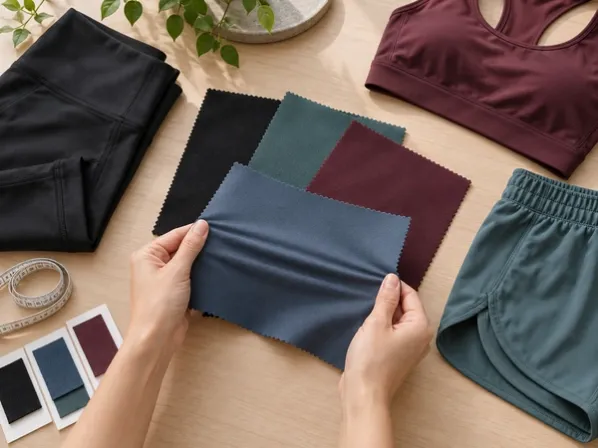
Choosing the right fabric is one of the most important decisions in custom activewear development. Fabric affects how a garment stretches, recovers, manages sweat, supports the body, holds color, and performs after repeated washing.
For brands developing leggings, sports bras, yoga sets, or gym wear, the best fabric is not simply the most expensive option. It is the material that matches the activity, target customer, design details, printing method, price point, and testing requirements. This guide explains the practical factors to compare before approving fabric for sampling and bulk production.
Start with the Intended Product and Activity
Begin by defining how the garment will be used.
Create a short product brief before choosing fabric. Include the garment type, target activity, desired fit, climate, retail price, color range, logo method, and expected performance. This helps a custom activewear manufacturer recommend materials based on real requirements instead of appearance alone.
Nylon vs Polyester for Activewear
Nylon-spandex and polyester-spandex blends are widely used in sportswear, but they feel and perform differently.
Nylon is often selected for leggings, yoga wear, and premium studio collections because it can offer a soft, smooth feel and good elasticity. Depending on the knit and finish, it may create a refined, second-skin effect.
Polyester is commonly used for gym wear, running products, teamwear, and printed collections. It can provide good durability, moisture management, colorfastness, and compatibility with sublimation printing.
Neither fiber is automatically better. The final result also depends on yarn quality, knitting structure, elastane percentage, dyeing, finishing, and fabric weight. Always compare physical samples and test the complete fabric rather than judging by fiber name alone.
Check Four-Way Stretch and Recovery
Four-way stretch means the material stretches both across and along the fabric. This is especially useful for leggings, sports bras, fitted tops, and yoga wear because the garment must move in several directions without restricting the wearer.
Stretch alone is not enough. Recovery is equally important. A fabric with weak recovery may become loose at the knees, waistband, or seat after wear. During development, stretch the swatch repeatedly and check whether it returns close to its original shape. For high-compression styles, the material should feel supportive without making movement uncomfortable.
The percentage of elastane or spandex offers a useful starting point, but it does not tell the whole story. Two fabrics with the same composition can behave differently because of their knit construction and finishing. A wear test provides better evidence than a specification sheet alone.
Choose the Right Fabric Weight
Fabric weight is usually described in GSM, or grams per square meter. Lower-GSM fabrics tend to feel lighter and may suit running tops, warm-weather gym wear, or lining. Mid-weight fabrics are common for everyday leggings, yoga sets, and training pieces. Heavier materials can provide more structure and coverage but may also feel warmer.
Do not select GSM in isolation. A dense, well-constructed fabric can provide better opacity than a heavier but loosely knitted material. Ask the supplier to explain weight together with stretch, thickness, knit structure, and intended use.
For Leggings and Gym Shorts
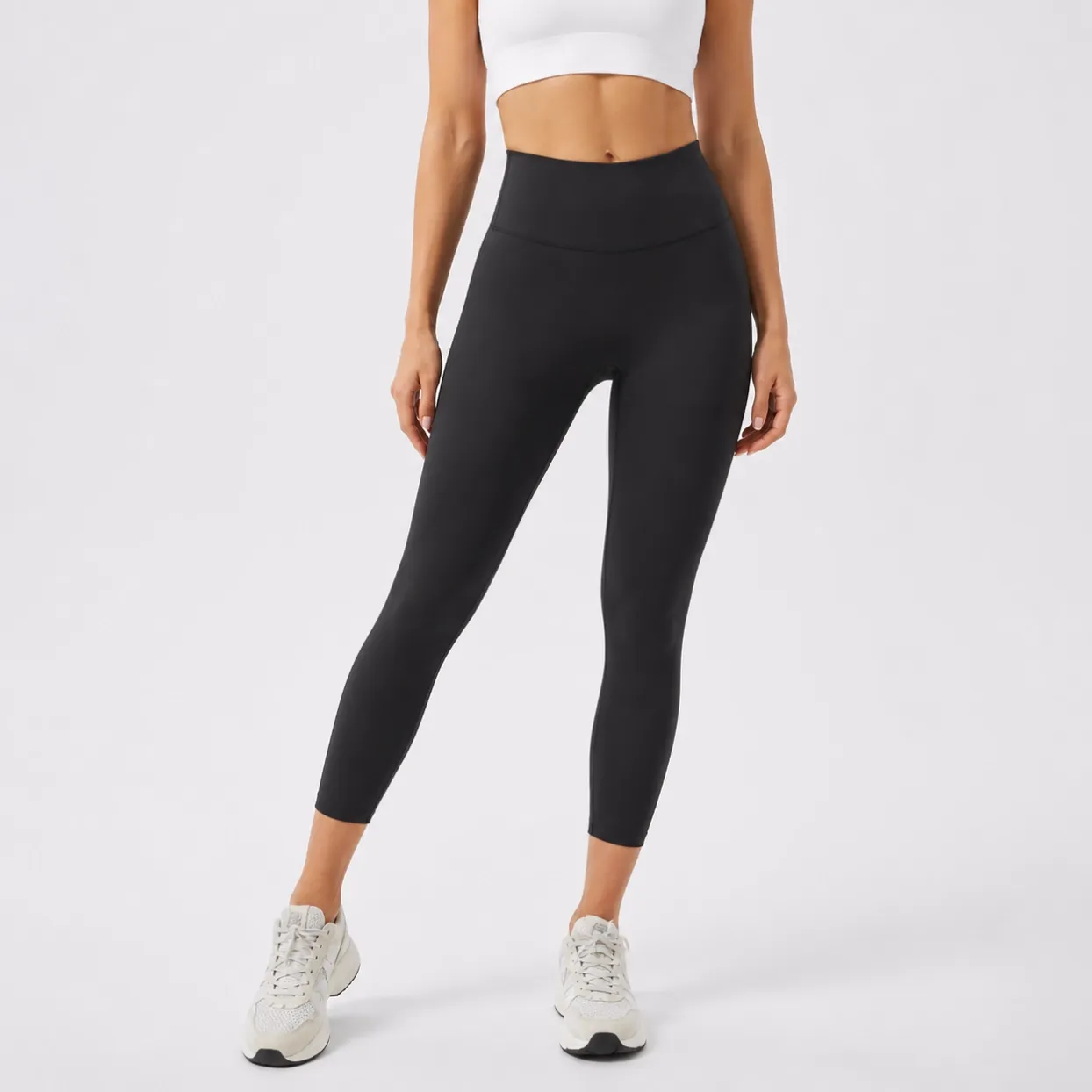
Leggings require a careful balance of stretch, recovery, softness, and coverage. Test light and dark colors separately because opacity can change after dyeing. Perform a squat test under strong lighting and check the fabric when stretched across the hips and knees. Also evaluate pilling, seam strength, waistband recovery, and color transfer.
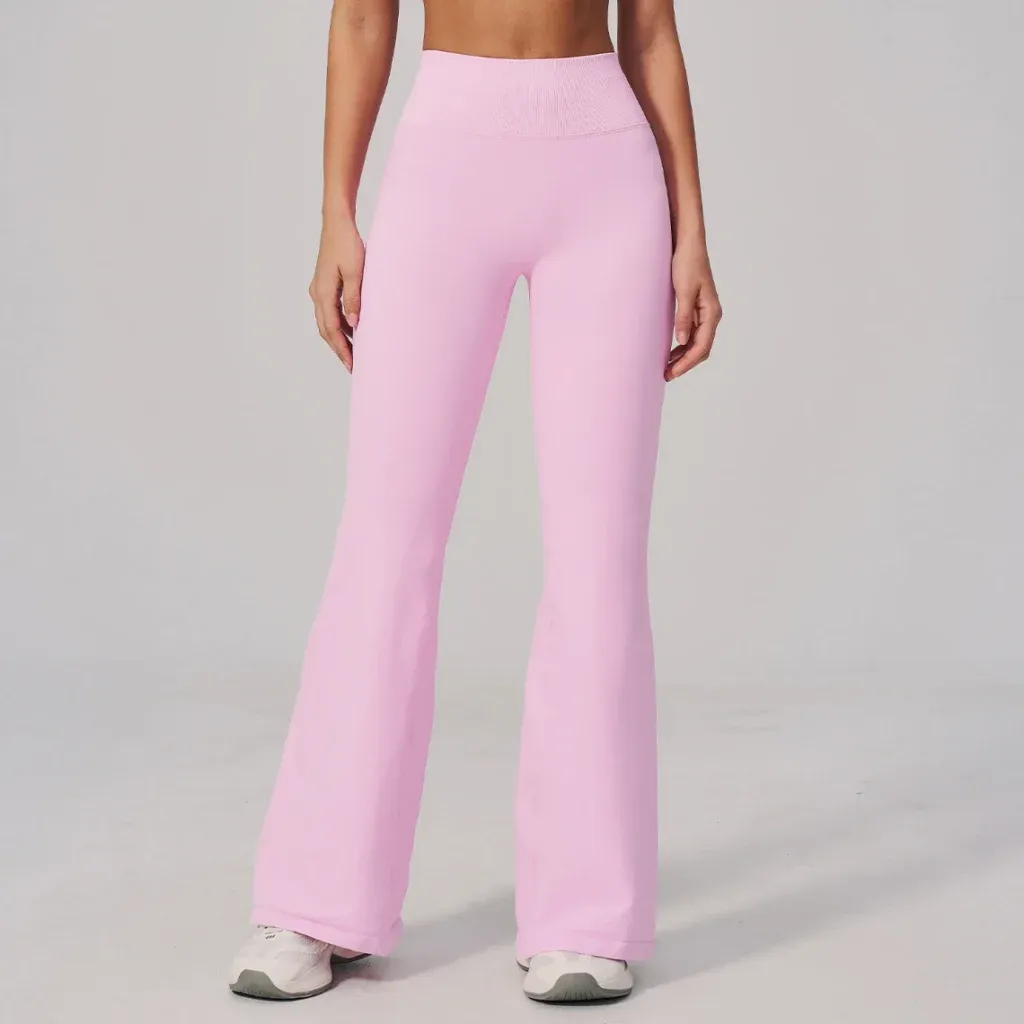
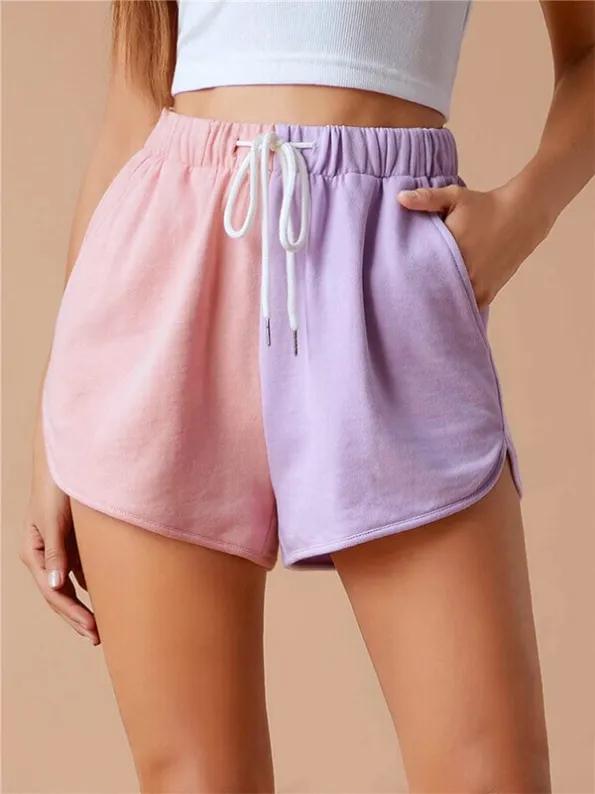
For fitted gym shorts, consider abrasion from equipment and repeated movement. The fabric should recover well around the leg opening and seat. Explore our custom high-waist sculpting performance leggings and custom high-waist performance gym shorts for examples of product constructions that can be adapted for private-label collections.
For Sports Bras and Support Tops
Sports bra fabric must work with the intended support level. Low-impact studio bras may prioritize softness and flexibility, while medium- or high-support designs need more stable fabrics, suitable elastic, and thoughtful panel construction.
The outer fabric is only one part of the system. Lining, power mesh, cups, underband elastic, straps, and seam placement all influence support. Test the complete sample during movement instead of evaluating the shell fabric by itself. Our custom adjustable cross-back spaghetti strap sports bra shows how fabric, straps, and construction work together in a customizable style.
For Yoga Sets and Studio Wear
Yoga customers often value softness, a matte finish, smooth stretch, and comfort against the skin. Brushed nylon-spandex can create a soft hand feel, but the degree of brushing should be controlled. Heavy brushing may increase the risk of surface pilling, while insufficient recovery can reduce shape retention.
Check whether the fabric stays comfortable during long wear and whether it shows sweat in the selected colors.
Moisture Management and Breathability
“Moisture-wicking” describes how a fabric moves moisture away from the skin, but performance varies by construction and finish. Request test information when this property is central to your product claim. Quick drying, air permeability, and heat management should also be considered for running, cycling, and high-intensity training garments.
Remember that a very dense fabric may provide strong coverage but reduced airflow.
Recycled and Certified Fabric Options
Recycled polyester and recycled nylon can support a brand’s sustainability direction, but claims should be documented. Ask what recycled content is used, which certification applies, and whether transaction certificates can be supplied for the order when required. Standards such as GRS may be relevant depending on the material and supply chain.
For skin-contact products, brands may also ask about chemical safety testing or standards such as OEKO-TEX and REACH compliance. Avoid broad sustainability claims unless they are supported by traceable evidence.
Test Color, Printing, and Logo Compatibility
Fabric color can influence opacity, shade consistency, and logo appearance. Bright or very light shades may require extra testing. If the design uses screen printing, heat transfer, silicone logos, embroidery, or sublimation, confirm compatibility during sampling.
Heat-applied logos require careful temperature and pressure settings because some stretch fabrics may shine, distort, or lose elasticity. Embroidery adds weight and can cause puckering on lightweight materials. Test the exact logo size, placement, and technique on the chosen fabric before final approval.
Approve Fabric Before Bulk Production
A reliable approval process includes a physical swatch, sample garment, fit test, movement test, wash test, and written confirmation of composition, weight, color, and finish. For performance products, consider checking pilling, colorfastness, stretch recovery, shrinkage, seam strength, and opacity.
Keep an approved swatch or sealed sample as the production standard. This gives both the brand and factory a clear reference if questions arise during bulk manufacturing. Review lab dips for custom colors and confirm tolerances before production begins.
Plan Your Custom Activewear Collection
The right custom activewear fabric should match your customer, product function, visual direction, and price target. Comparing nylon and polyester, four-way stretch, recovery, GSM, moisture management, opacity, and decoration compatibility will reduce costly revisions and improve the final garment.
Duorui supports brands with fabric selection, sampling, custom colors, logos, labels, packaging, and bulk activewear production. Our minimum order quantity is 100 pieces per style and color. Browse our custom activewear products, learn more about our manufacturing capabilities, or contact us to discuss your next leggings, sports bra, yoga wear, or gym wear collection. Final MOQ depends on fabric, color, design and customization; some styles require 150 pieces.
Request Fabric and Sample Recommendations
Describe your product type, preferred fabric feel, performance needs, colors, size range and quantities. Attach reference styles so we can review suitable fabrics, sample options and the final MOQ.